How much does going solar really cost, and when does it start paying you back? For anyone weighing solar panels in Pakistan in 2026, the honest answer is that the numbers have never looked better. Falling equipment prices, rising grid tariffs, and mature net-metering rules have combined to make rooftop solar one of the highest-return investments a household or business can make in cities like Islamabad and Karachi.
This guide focuses squarely on money — upfront cost, running savings, payback period, and the financing routes that let you start without draining your bank account. It is built on real project figures rather than optimistic sales math, so you can plan with confidence.
The true cost of solar panels in Pakistan
A solar system’s price is driven by four things: the panels themselves, the inverter, the mounting and cabling, and the labour and paperwork. Panels have fallen sharply in cost over the past decade, so today the inverter and quality balance-of-system components often represent a larger share of a well-built system than the modules do.
Beware headline prices that look cheap. They usually strip out protection devices, proper cabling, or net-metering support — costs you will pay later, often at a premium. A transparent quote lists every line item.
What your budget actually buys
- Panels: Tier-1 modules with a 25-year performance warranty.
- Inverter: the brain of the system; hybrid units cost more but add backup.
- Structure & cabling: mounting rails, DC/AC cable, conduit, earthing.
- Protection: surge and overcurrent devices that protect the whole investment.
- Service: design, installation labour, and net-metering registration.
Islamabad: high returns in the capital
Islamabad’s planned rooftops, generally good sun exposure, and higher average consumption make it fertile ground for solar. Many capital homes run substantial cooling and heating loads, so a well-sized system offsets a large, expensive slice of the bill.
The city’s orderly housing sectors also simplify mounting and net-metering approvals. Opting for a professional solar installation in Islamabad means the load audit, structural design and IESCO paperwork are handled as one package, which shortens the path to savings.
Where the savings come from
- Direct daytime self-consumption replacing expensive grid units.
- Net-metering credits for surplus exported to the grid.
- Reduced reliance on costly backup generators and UPS fuel.
Karachi: fast payback in the sun
Karachi combines abundant sunshine with year-round air-conditioning demand, a recipe for rapid payback because you use most of what you generate during peak sun. The coastal climate calls for corrosion-resistant hardware, but that modest extra cost is repaid many times over in longevity.
For homes and shops alike, choosing quality solar panels in Karachi tuned to heavy cooling loads is what delivers the fastest return. Undersizing to save money upfront is the most common — and most expensive — mistake buyers make here.
How fast will solar pay for itself?
Across Islamabad and Karachi, most quality grid-tied systems reach payback in roughly three to five years in 2026, after which the electricity is effectively free for the remaining two decades of the panels’ life. The table shows how payback shifts with usage and system type.
| Profile | System type | Typical payback | 25-year outlook |
|---|---|---|---|
| High-usage home | Hybrid 8–10 kW | 3–4 years | Very strong |
| Average home | On-grid 5 kW | 3–5 years | Strong |
| Shop / small office | On-grid 10–15 kW | 2.5–4 years | Excellent |
| Low-usage home | On-grid 3 kW | 5–7 years | Good |
Financing and paying for your system
You do not always need the full amount upfront. Several routes make solar accessible, and the right choice depends on your cash flow and appetite for monthly commitments.
- Cash purchase: lowest lifetime cost and fastest net returns.
- Bank solar financing: spread payments while savings offset instalments.
- Phased install: start with panels, add batteries later on a hybrid inverter.
Whichever route you choose, work with trusted professionals who give a fully itemised quote so you can compare like with like. For independent context, the International Energy Agency tracks Pakistan’s surging solar uptake, and the International Renewable Energy Agency confirms the long-term downward trend in system costs that keeps improving these payback figures.
Hidden costs and long-term value
Smart buyers look past the sticker price to the total cost of ownership over 25 years. A slightly higher upfront spend on quality components almost always wins, because the biggest hidden cost in solar is a system that fails early and forces expensive replacements.
Costs people forget to budget
- Maintenance: periodic cleaning and an annual inspection keep output at peak.
- Battery replacement: if you add storage, batteries have a shorter life than panels and will need replacing once.
- Monitoring: a good app or portal is worth the small cost — it flags underperformance before it drains savings.
- Insurance: adding the system to your property cover protects against storm or theft loss.
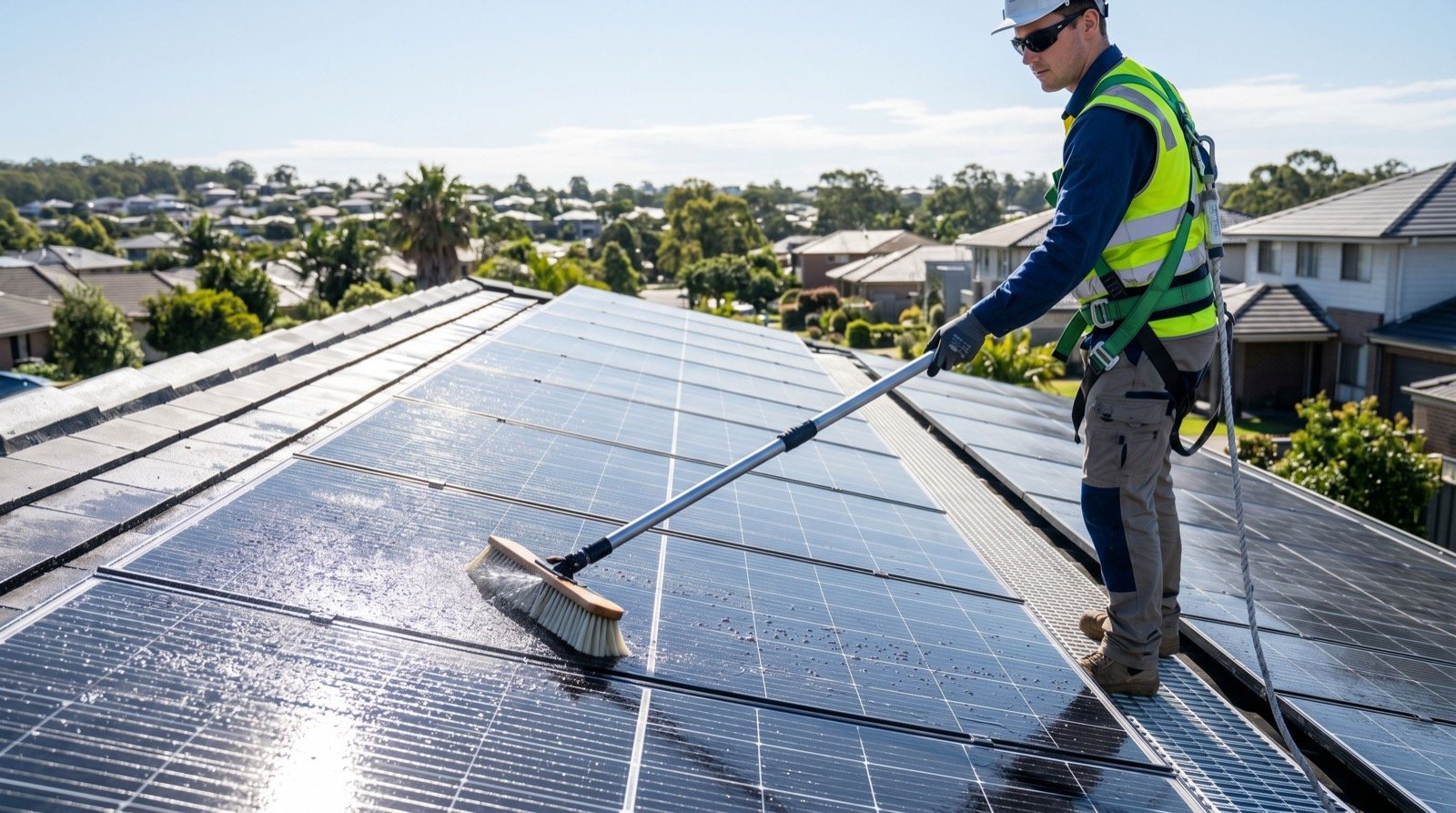
An original insight from real Islamabad and Karachi projects: the fastest way to erode your return is to leave panels dirty. In Karachi’s salt-and-dust air, uncleaned modules can lose a noticeable slice of output within weeks. A ten-minute rinse restores it — arguably the highest-return maintenance task in all of solar.
Why quality pays back faster
It seems counterintuitive, but the cheaper system is often the more expensive one. Premium inverters last longer between replacements, Tier-1 panels degrade more slowly, and proper protection devices prevent the surge damage that can wipe out an inverter overnight. Over a 25-year horizon, that reliability compounds into thousands of additional units generated and years of uninterrupted savings.
Frequently Asked Questions
Is solar cheaper than running a generator?
Over any reasonable timeframe, yes. A generator burns fuel every hour it runs, while solar’s fuel — sunlight — is free. After the payback period, solar’s running cost is effectively limited to occasional cleaning and maintenance.
Does a bigger system always mean better value?
Not necessarily. The best value comes from matching the system to your actual consumption and available roof space. Oversizing beyond what you use or can export wastes capital, while undersizing leaves savings on the table.
What affects payback the most?
Your daytime usage, the grid tariff, net-metering credits, and hardware quality. High daytime self-consumption and rising tariffs both shorten payback, which is why commercial and high-usage homes recover their investment fastest.
Do panels lose value over time?
Panels degrade slowly — typically a fraction of a percent per year — so a quality module still produces around 85% of its original output after 25 years. That gentle decline is already priced into the payback and lifetime savings estimates.
Start saving with solar this year
The financial case for solar panels in Pakistan is stronger than ever in 2026: modest upfront cost, three-to-five-year payback, and decades of near-free power afterwards. Whether you are in Islamabad’s capital sectors or Karachi’s sun-drenched neighbourhoods, an itemised quote from a trusted installer is your first concrete step. Request yours today and turn your rooftop into a long-term asset.