Queue Management System in Pakistan: 7 Smart Wins
Crowded checkout counters cost Pakistani retailers more than they realise, quietly pushing shoppers toward abandoned carts and rival stores. A well-designed queue management system in Pakistan replaces that scramble with an orderly, trackable flow. In 2026, as digital payments and organised retail expand from Karachi to Lahore, smart queuing has moved from nice-to-have to competitive necessity.
Below are seven concrete wins these systems deliver, plus the hardware and rollout advice you need to capture them. The focus stays practical, not theoretical.
What a Queue Management System Actually Does
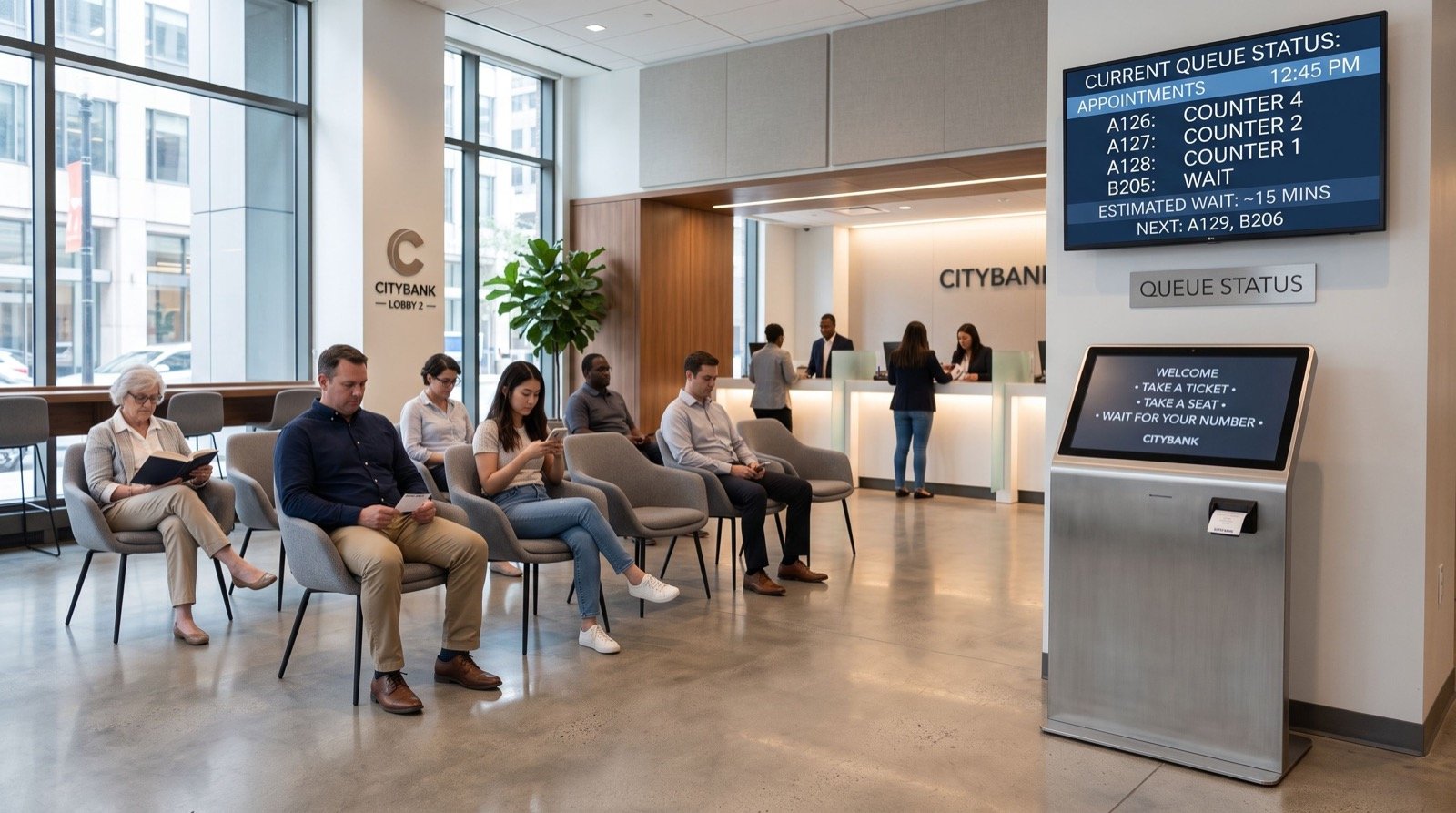
At its heart, a queue management system issues a token, predicts a wait, and routes each customer to the right counter. Layered on top are analytics that reveal your true peak hours and slowest staff.
For retail, the magic often happens at the counter itself, where fast scanning keeps the line moving. Pairing a queue platform with a nimble scanner such as the Honeywell Vuquest 3320g means each transaction clears in seconds instead of fumbling seconds that stack into minutes.
Who benefits most?
Supermarkets, mobile-phone retailers, pharmacies, and telecom service centres see the biggest gains. Anywhere customers currently guess which line is fastest, a structured system pays for itself.
Seven Smart Wins You Can Measure
Each of these outcomes shows up in reports within weeks, not quarters. Track them against a pre-install baseline for an honest verdict.
- Shorter average wait time, often down 25% or more.
- Fewer walkouts during peak trading windows.
- Balanced staff workload across every open counter.
- Clear data on your true rush hours for smarter rostering.
- Higher customer satisfaction scores from exit feedback.
- Faster checkout thanks to integrated barcode scanning.
- Reliable audit trails for service-level reporting.
Choosing the Right Setup for Your Store
Not every retailer needs an enterprise deployment. Match the tier to your footfall and counter count instead of overbuying.
- Small shop: a single ticket dispenser and one display screen.
- Mid-size retail: multi-counter routing plus SMS ready alerts.
- Large chain: centralised analytics across every branch.
- Service centre: appointment integration and priority tokens.
Whichever tier fits, install through quality service providers who understand local power and connectivity quirks. A resilient setup that survives load-shedding matters as much as the software.
How do I compare vendors fairly?
Score every proposal on the same criteria: local support, Urdu and English display support, scanner compatibility, and transparent analytics. Insist on a live pilot rather than a slideshow before you sign.
Feature Comparison at a Glance
The table contrasts the three most common tiers Pakistani retailers deploy in 2026.
| Feature | Basic | Standard | Enterprise |
|---|---|---|---|
| Ticket dispenser | Yes | Yes | Yes |
| Multi-counter routing | No | Yes | Yes |
| SMS / WhatsApp alerts | No | Optional | Yes |
| Cross-branch analytics | No | No | Yes |
| Barcode scanner ready | Yes | Yes | Yes |
Most independent retailers land comfortably in the standard tier, upgrading to enterprise only once they run several branches worth comparing.
Integrating Scanning and Payments
The counter is where a queue system proves its worth or falls apart. Every second a cashier spends hunting for a barcode is a second the whole line waits.
Hands-free and presentation scanners let staff swipe items across a fixed reader while both hands stay busy bagging, which is a meaningful speed gain during rush hours. Mobile-wallet and card-on-file payments compress the final step even further.
Why checkout speed feeds the whole queue
Queue theory is unforgiving: even a small slowdown at the service point causes the waiting line to grow disproportionately. Speeding up each transaction by a few seconds therefore shrinks the visible queue far more than the raw time saved suggests.
This is why pairing tokened queuing with fast scanning and quick payments delivers compounding returns. The three improvements reinforce one another instead of competing for budget.
Rollout Tips That Prevent Regret
The technology rarely fails; the process around it does. Give staff a voice during setup and they will champion the system instead of bypassing it.
Position the token dispenser where entering shoppers see it immediately, and keep at least one display visible from the waiting area. Standardised barcodes make scanning painless, and following GS1 barcode standards ensures your scanner reads every product first time. Run a two-week pilot, compare the analytics, then scale.
A practical tip from the floor
Assign one “flow manager” during peak hours whose only job is to guide customers to the right token category. This human touch dramatically improves adoption in the first month while shoppers learn the new routine.
Measuring Return on Your Investment
The best way to justify the spend is to track a handful of numbers before and after go-live. Keep the list short so the whole team understands it.
Average wait time and walkout rate are the headline metrics, but do not stop there. Transactions per hour during peak, and average basket size, reveal whether smoother queues are actually converting into sales.
A simple payback calculation
Estimate the sales lost each week to walkouts, then compare that against the monthly cost of the system. In most mid-size Pakistani stores, recovering even a fraction of abandoned baskets covers the subscription several times over, which makes the business case refreshingly easy to present to owners.
Frequently Asked Questions
How much does a queue management system in Pakistan cost?
Entry setups start modestly for a single counter, while multi-counter standard deployments cost more depending on screens and software licensing. Cloud options spread the cost into predictable monthly fees.
Does it work during load-shedding?
Yes, when specified correctly. Pair the system with a UPS or inverter and choose hardware with low power draw so tokens and displays stay live through outages.
Can it show tokens in Urdu?
Reputable platforms support Urdu and English on both displays and SMS alerts, switching automatically or on a timed loop for mixed audiences.
Will it integrate with my POS?
Many systems connect to popular point-of-sale software and barcode scanners, so checkout data and queue data can be reviewed together in one dashboard.
Final Thoughts
A queue management system in Pakistan is one of the most cost-effective upgrades a retailer can make in 2026, turning chaotic counters into a smooth, measurable flow. Choose a tier that matches your footfall, insist on rugged and load-shedding-ready hardware, and lean on experienced installers. Capture even a few of the seven wins above and the investment repays itself before the season ends.